Stories about Health Care Systems

Educating Other Medical Professionals on How to Prevent Suicide — After the Loss of My Husband
The majority of those who die by suicide have contact with a medical professional within three months of taking their own life — showing just how important it is that health care providers know how to recognize that someone may be in distress, and know how to connect them with help.
“I’m Sorry, I Have to Ask These Questions": Normalizing Questions about Suicide in Health Care and Beyond
Suicide risk assessments shouldn’t be treated as awkward requirements to quickly power through. They are opportunities to connect, listen, and maybe, just maybe, reach someone who is silently struggling. The tone we use, the language we choose, and the attitude we bring to these questions matter more than we realize.
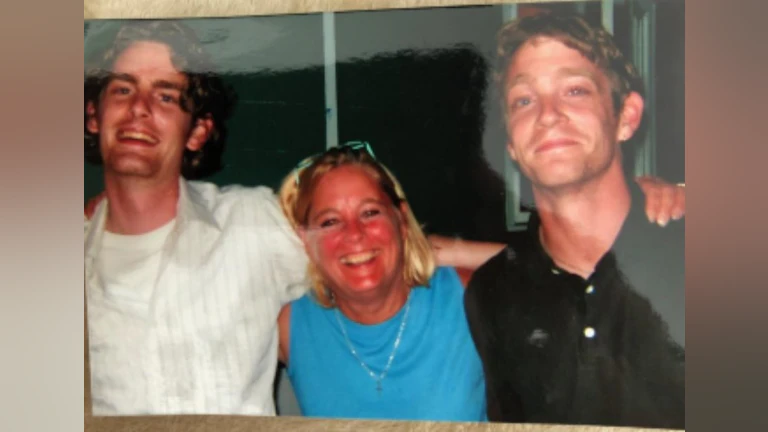
In Tom’s Light: Addressing the Intersection of Opioids and Suicide
Opioid use disorder and suicide prevention are two topics that have immense personal meaning for me. As I wrote in a previous blog for AFSP, my son Tom passed away on Friday, September 30th, 2016, after losing his long battle with depression; he died of a heroin overdose.